
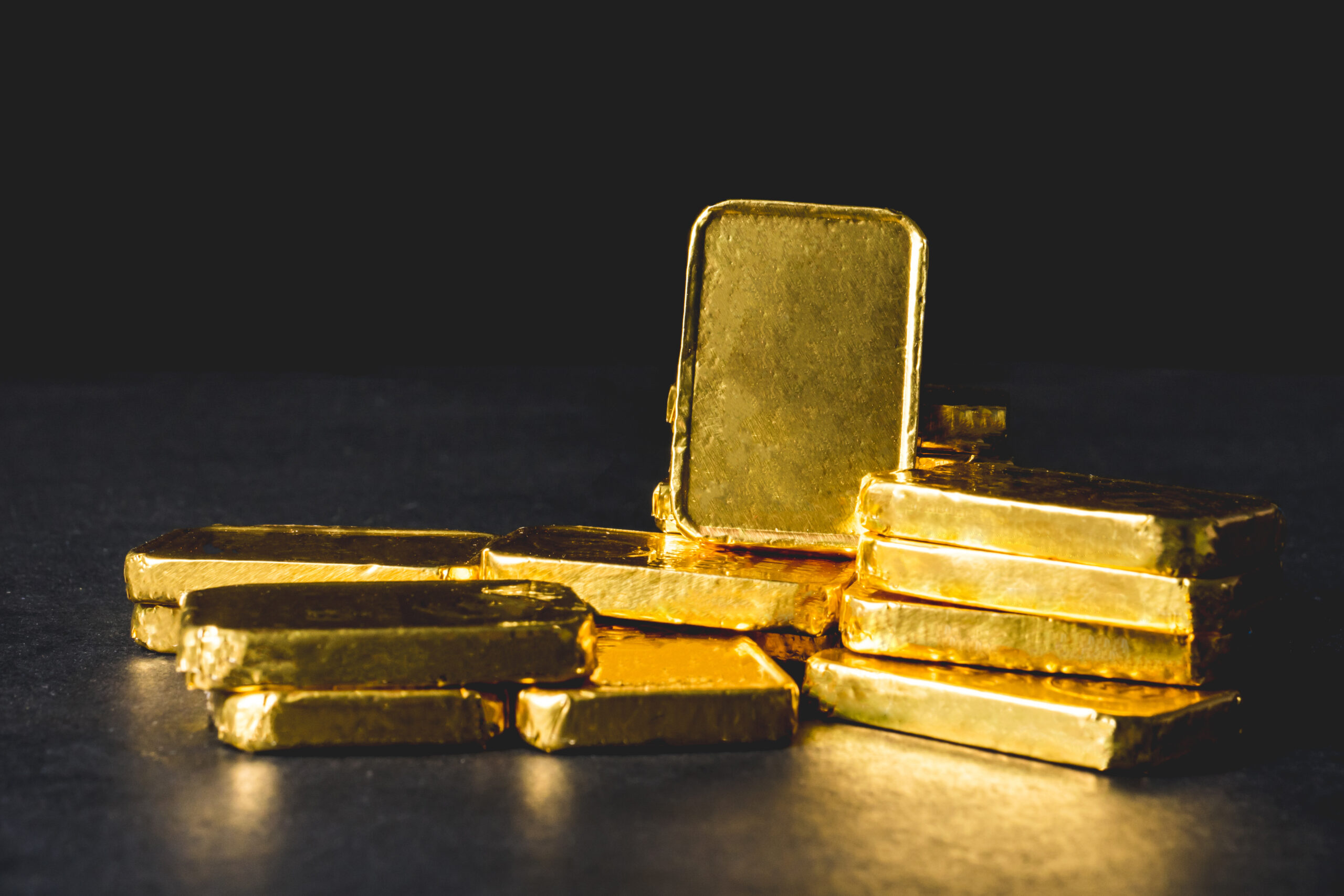
Buying gold directly from miners is one of the best ways to get competitive prices and know exactly where your gold comes from. When you buy at the source, you cut out layers of brokers and middlemen, and you build a relationship with the people who actually produce the gold.
Buying direct also means taking on more responsibility. You need to check the seller, test the gold, handle contracts and payments carefully, and make sure everything is legal in both countries. This step-by-step guide explains how to do it properly, from your first preparation to receiving your gold. It uses Uganda as an example of a country where direct buying from miners is possible.
Step 1: Decide What You Want to Buy
Before you contact any miner, be clear about your needs.
What form of gold?
- Doré bars: semi-refined bars smelted at the mine
- Gold dust: fine alluvial gold
- Gold nuggets: natural pieces of gold, sold for their gold value or as collector specimens
- Silver: often available from the same producers
How much?
Decide on your first order, and on the regular volume you want later. Most serious sellers have a minimum order, and recommend starting with a trial shipment.
What is the purpose?
- Refining and resale: you’ll focus on purity and price.
- Jewellery: consistent purity matters.
- Investment: you may want the gold refined into standard bars.
- Collecting: the shape and rarity of nuggets matter.
Where will the gold go?
Choose the destination, for example, your own premises or a refinery. This affects the delivery terms, costs and import rules.
Step 2: Understand the Rules in Your Own Country
Many buyers check the seller carefully, but forget to check their own side. Before buying, find out:
- whether you need an import licence or registration to import raw gold
- what import duties or VAT apply
- what anti-money-laundering (AML) and reporting rules apply to gold purchases
- whether your chosen refinery accepts gold from the source country, and what documents it requires
Speaking with a customs broker and a refinery in your country before you buy will save you problems later.
Step 3: Know the Types of Sellers
“Buying from miners” can mean buying from different kinds of sellers:
| Seller type | What to expect |
|---|---|
| Licensed mining companies | Own a mine, hold licences, and can export directly with full documents. This is the best option for most foreign buyers. |
| Licensed mineral dealers and exporters | Buy from several licensed miners and export legally. This is useful for larger volumes. |
| Small-scale miners and cooperatives | Usually sell through licensed dealers or exporters, rather than directly abroad. |
| Unlicensed individuals or “agents” | High risk. These sellers can’t legally export, and are commonly involved in scams. |
For international purchases, deal with a licensed mining company or licensed exporter that can legally sell and ship the gold to you.
Step 4: Find and Shortlist Sellers
Good ways to find genuine miners include:
- the mining authority’s public licence records, which in Uganda are held by the Directorate of Geological Survey and Mines
- chambers of mines and industry associations
- refineries, which often know reputable suppliers
- mining conferences and trade events
- referrals from trusted buyers
Be careful with unsolicited offers sent by email, social media or messaging apps, especially those promising discounts.
Shortlist two or three sellers, and compare them using the steps below.
Step 5: Carry Out Due Diligence
This is the most important step. Responsible buyers follow international standards, such as the OECD Due Diligence Guidance for Responsible Supply Chains of Minerals and the LBMA Responsible Gold Guidance, which many refiners require.
Check the Company
- Company registration with the national business registry (URSB in Uganda)
- Directors and owners, whose names should match the registry
- Tax registration
- a physical office address that you can visit
Check the Licences
- a mining licence or mineral dealer’s licence, confirmed directly with the mining authority
- an expiry date and the minerals covered
- the ability to obtain an export permit for each shipment
Check the Source
- Where is the mine?
- Does the seller produce all the gold, or buy from others? If they buy from others, how are those suppliers checked?
- Can the gold be traced back to a licensed site?
- Is the gold free from links to conflict, smuggling or child labour?
Check the Reputation
- Ask for references from previous buyers, and contact them.
- Search for the company name in news, court records and warning lists.
Verify every document directly with the issuing authority, using contact details you find yourself.
Step 6: Visit the Seller (or Send a Representative)
Nothing replaces seeing the operation for yourself. If possible:
- visit the seller’s office
- visit the mine or processing site
- meet the management in person
- see the gold being weighed and tested
If you can’t travel, appoint a trusted local representative, lawyer or independent inspection company to visit for you.
Step 7: Request a Written Quotation
Ask the seller for a written quotation that includes:
- the product and quantity
- the pricing formula, linked to the international (LBMA) gold price
- the purity basis, confirmed by independent assay
- the discount applied, and what it covers
- the delivery terms (Incoterms), such as FCA, CIP or DAP
- the payment terms
- the documents that will be provided
Compare quotations by their total real cost, not just the headline price.
Step 8: Test the Gold
Never buy gold without independent testing.
- Fire assay: the most accurate method, and the standard for doré and dust
- XRF testing: fast and non-destructive, and useful for nuggets
- Density (specific gravity) test: a quick check for fakes
- Weighing on calibrated scales, with the results recorded in front of you or your agent
You can ask for split samples, so that both you and the seller test the gold separately. You can also agree an umpire assay at a third-party laboratory in case of a dispute.
Step 9: Sign a Sales and Purchase Agreement
Put everything in writing. A good sales and purchase agreement (SPA) covers:
- the buyer and seller details
- the product, quantity and purity basis
- the price formula and the pricing date
- assay and dispute procedures
- the payment method and timing
- the delivery terms, and when ownership and risk pass to the buyer
- the documents to be supplied
- the governing law and dispute resolution
Have the agreement reviewed by a lawyer, ideally one familiar with gold transactions in the seller’s country.
Step 10: Use Safe Payment Methods
How you pay determines how well you are protected.
Safer options:
- Payment after assay at your refinery: you pay once the gold arrives and is confirmed.
- Letter of credit: your bank pays only when the agreed documents are presented.
- Escrow: a trusted third party holds the money until the conditions are met.
- Staged payments: for example, a small trial shipment first, then larger volumes.
Avoid:
- paying the full amount upfront to an unverified seller
- paying “fees” for taxes, clearance, insurance or storage before you have seen verified gold
- payments to personal accounts, or to accounts in third countries
Step 11: Arrange Export, Shipping and Import
The seller’s side (under FCA, CIP or DAP):
- obtaining an export permit from the mining authority
- paying the government royalty
- export customs clearance
- sealing and handover to a secure logistics company
- insured air freight, depending on the Incoterm
Your side:
- import customs clearance in your country
- paying import duties or VAT
- collecting the gold, or delivery to your refinery
Ask for copies of all shipping documents before the flight departs, and track the shipment directly with the airline or logistics company.
Step 12: Receive, Verify and Build the Relationship
When the gold arrives:
- check the seals and packing list against the documents
- confirm the weight and purity at your refinery or laboratory
- complete payment according to the agreement
If the first transaction goes well, you can move to regular supply contracts or long-term offtake agreements, which often bring better terms and priority supply.
Common Mistakes to Avoid
- buying because the price is far below market
- skipping independent testing
- relying on copies of documents without verifying them
- paying large amounts upfront
- dealing with brokers who cannot prove they have gold
- ignoring your own country’s import rules
- skipping a trial shipment
Buy Gold Directly from Pearl Minerals International
Pearl Minerals International is a gold mining and export company headquartered at Kingdom Kampala, Uganda. We operate our own licensed mining operation, and sell gold and silver directly to refiners, bullion dealers, jewellers and investors worldwide.
Why Buy from Us
- Direct from the mine: you deal with the producer, not a broker.
- Licensed: we operate under Uganda’s Mining and Minerals Act, 2022, with licence numbers [NUMBERS] available for verification.
- Open to due diligence: you are welcome to visit our office and mine, and to request references.
- Independent assay: every lot is tested by [LAB NAME], and you may appoint your own assayer.
- Full documentation: a certificate of origin, export permit, royalty receipts and customs papers.
- Market-linked pricing: clear, written quotations based on the international gold price.
- Safe payment: [payment after assay / escrow / letter of credit].
- Trial shipments welcome, from [MINIMUM QUANTITY].
We never ask buyers to pay upfront fees before the gold and its documents have been verified.
Start Buying Direct
Contact our team to discuss your requirements and arrange a trial shipment.
Pearl Minerals International
Kingdom Kampala, Kampala, Uganda
Phone / WhatsApp: (+243) 988 518 124
Email: info@pearlmineralsinternational.com
Send us your required product, quantity and destination, and we’ll prepare a written quotation.