
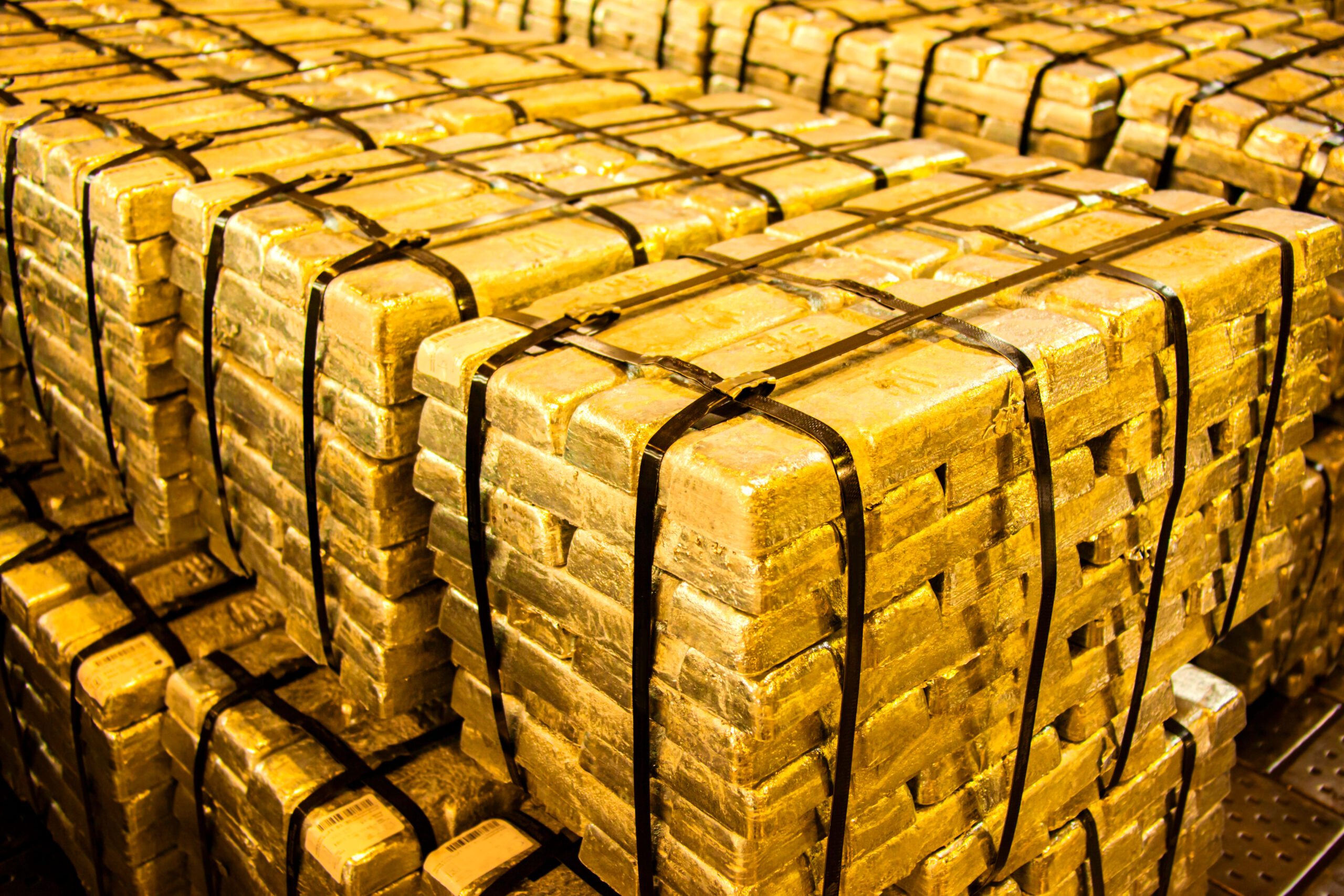
Central banks around the world are buying gold at record levels. In Africa, a growing number are now buying gold at home, directly from their own country’s miners, rather than on international markets. These are known as Domestic Gold Purchase Programmes (DGPPs).
In 2026, the Bank of Uganda joined this trend with its own programme to buy locally mined gold. This is a major development for Uganda’s gold sector, and it affects everyone involved, from artisanal miners and licensed dealers to mining companies and international buyers.
This article explains what a domestic gold purchase programme is, why central banks run them, how Uganda’s programme works, what other African countries have done, and what it all means for gold producers such as Pearl Minerals International.
What Is a Domestic Gold Purchase Programme?
A domestic gold purchase programme is a scheme in which a country’s central bank buys gold produced within its own borders. The bank then refines it to international standards and adds it to the national reserves.
Instead of spending foreign currency to buy gold abroad, the central bank pays local miners and dealers, usually in local currency. It then holds the refined gold as part of its reserves.
Why Central Banks Buy Gold Locally
1. Strengthening Foreign Exchange Reserves
Gold is a globally accepted reserve asset. Holding more gold helps protect a country’s reserves against currency swings, inflation and global financial shocks.
2. Diversifying Away from Foreign Currencies
Many central banks hold most of their reserves in US dollars or other foreign currencies. Gold offers a way to diversify, and to reduce reliance on any single currency.
3. Saving Foreign Currency
Buying gold locally, and paying in local currency, lets the central bank build reserves without spending scarce US dollars on international purchases.
4. Reducing Gold Smuggling
When miners can sell to a trusted, official buyer at fair prices, they have less reason to sell through informal or illegal channels.
5. Formalising Artisanal and Small-Scale Mining
These programmes encourage miners to obtain licences, keep records and join the formal economy. This improves safety, working conditions and government revenue.
6. Supporting Local Value Addition
Local refining under central bank contracts helps build national refining capacity and skills.
The Bank of Uganda’s Domestic Gold Purchase Programme
Background
Uganda’s gold exports have grown rapidly. Gold has become the country’s largest export, earning about $5.8 billion in 2025, up from $3.3 billion in 2024. Yet most of the economic benefit flowed out of the country through exports. The Bank of Uganda (BoU) decided to keep part of this value at home by buying gold for its own reserves.
Key Features
Based on public announcements and media reports:
- Launch: the programme began operating in 2026, with buying planned to start from March 2026.
- Who can sell: licensed artisanal, small-scale, medium-scale and large-scale miners, as well as licensed gold dealers and refiners.
- Volumes: an initial target of at least 100 kg in the first phase (March to June 2026), with a longer-term goal of about 7–10 tonnes a year.
- Pricing: reported to be based on international market (spot) prices, without subsidies.
- Incentives: reports mention a VAT exemption and the removal of certain levies on gold sold under the programme.
- Refining: the Bank contracted refineries to assay and refine the gold. A local refinery, Euro Gold Refinery, won a contract to receive, refine and certify gold to international purity standards.
- Goals: to build reserves, reduce smuggling, support small-scale miners, and promote local refining.
Programme details may change. Miners and dealers should confirm current requirements directly with the Bank of Uganda or its appointed refineries.
Who Can Benefit?
- Artisanal and small-scale miners: they get access to an official buyer, and prices linked to the world market.
- Licensed dealers: a reliable domestic outlet for legally sourced gold.
- Mining companies: another sales channel, alongside export.
- Local refineries: contracts to process gold to international standards.
- The wider economy: stronger reserves and a more stable currency.
Domestic Gold Purchase Programmes Across Africa
Uganda is following the example of several other African countries.
Ghana
The Bank of Ghana launched one of Africa’s best-known domestic gold purchase programmes in 2021. It buys gold from large mining companies and small-scale miners through licensed channels. The programme has substantially increased Ghana’s gold reserves. It has also been studied by the IMF, which has drawn lessons about both its benefits and its financial risks.
Tanzania
The Bank of Tanzania launched its programme in 2024. Mining companies and dealers are required to make part of their gold available for sale to the central bank. By mid-2026, the Bank of Tanzania was reported to have built up more than 27 tonnes of gold through the programme.
Other Countries
Several other central banks, in Africa and elsewhere, run or are considering similar schemes. This reflects a global trend of central banks increasing their gold holdings.
How a Domestic Gold Sale to a Central Bank Typically Works
While procedures differ between countries, the steps usually look like this:
- Licensing: the seller holds a valid mining or mineral dealer’s licence.
- Registration: the seller registers with the programme or with an appointed refinery.
- Delivery: the gold is delivered to the appointed refinery or collection centre.
- Assay: the gold is weighed and tested, usually by fire assay.
- Pricing: the price is calculated on the fine gold content and the international price on the agreed date.
- Refining: the gold is refined to international purity, typically 99.9% or higher.
- Payment: the seller is paid, often in local currency, through the official banking system.
- Storage: the refined gold becomes part of the central bank’s reserves.
Benefits and Challenges
Benefits
- fair, market-linked prices for local miners
- less smuggling, and more government revenue
- stronger national reserves
- growth in local refining capacity
- formalisation and better standards in small-scale mining
Challenges
- Price risk: central banks can face losses if gold prices fall after purchase, or if purchases are poorly managed.
- Payment in local currency: some miners prefer US dollars from exporters.
- Traceability: central banks must make sure the gold they buy is legally sourced, and not smuggled from neighbouring countries.
- Capacity: reaching remote artisanal miners, and testing small quantities, takes time and investment.
What This Means for Gold Buyers and Sellers
For Ugandan Producers
The programme gives licensed producers an additional, official sales channel within Uganda. Producers can choose between domestic sales to the central bank and international exports, depending on prices, payment terms and volumes.
For International Buyers
A central bank buying from licensed producers strengthens the formal, documented gold supply chain in Uganda. Buyers should continue to work with licensed producers, who can show:
- verifiable licences and origin documents
- independent assay reports
- full export permits and customs clearance
For the Gold Sector
The programme signals that Uganda is serious about legal, traceable and well-regulated gold. Over time, this helps build trust in Ugandan gold internationally.
Pearl Minerals International and Uganda’s Gold Sector
Pearl Minerals International is a gold mining and export company headquartered at Kingdom Kampala, Uganda. We operate our own mining operation and supply gold and silver to refiners, bullion dealers, jewellers and investors worldwide.
We support Uganda’s efforts to build a formal, transparent and responsible gold sector, including initiatives such as the Bank of Uganda’s Domestic Gold Purchase Programme. [If applicable: As a licensed producer, we are able to sell gold through domestic channels, as well as through international export.]
Our Commitment
- Licensed and compliant: we operate under Uganda’s Mining and Minerals Act, 2022.
- Traceable gold: with clear proof of origin from our licensed mining operation.
- Independent assay: every lot is tested by [LAB NAME].
- Full documentation: a certificate of origin, export permit, royalty receipts and customs papers.
- Market-linked pricing: based on the international gold price.
Contact Pearl Minerals International
For gold supply, partnership enquiries, or more information about our operations in Uganda, contact our team.
Pearl Minerals International
Kingdom Kampala, Kampala, Uganda
Phone / WhatsApp: (+243) 988 518 124
Email: info@pearlmineralsinternational.com
Sources:
- Kitco: Uganda’s central bank to start its gold buying programme this month
- Pulse Uganda: Euro Gold Refinery wins Central Bank contract to refine Uganda’s gold
- StartupFortune: Uganda’s central bank begins buying gold directly from local miners
- Mining Weekly: Uganda’s gold exports surged 76% to $5.8bn
- 3News: Bank of Ghana launches domestic gold purchase programme
- IMF: Lessons from the Bank of Ghana’s Domestic Gold Purchase Programme
- The Chanzo: Bank of Tanzania accumulates 27.5 tonnes of gold under domestic programme
- Money Metals: Tanzania launching domestic gold-buying program