
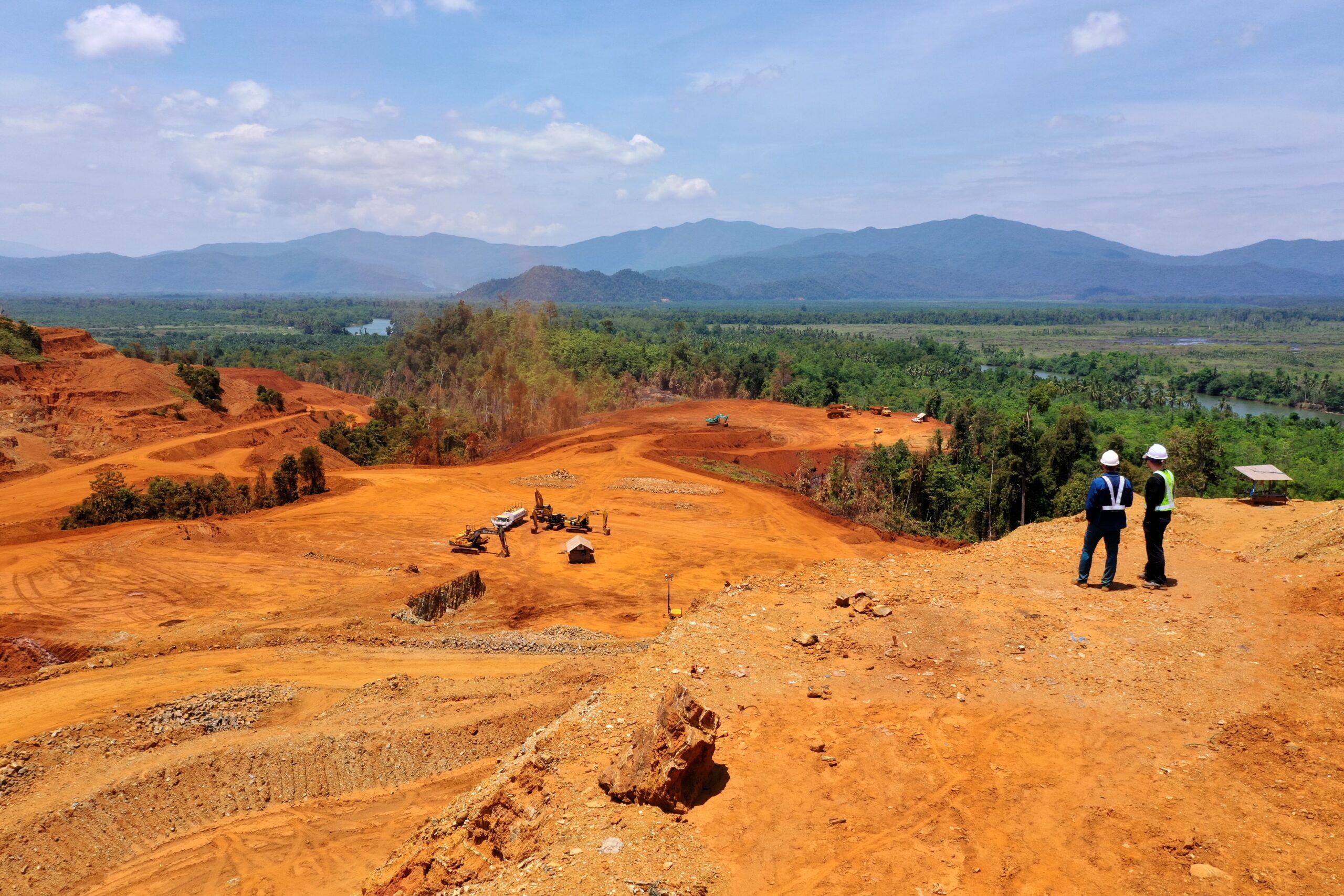
Exporting gold is very different from exporting most other goods. Gold is extremely valuable, easy to smuggle, and closely watched by governments, banks and international regulators. That’s why every legal gold export follows a strict, step-by-step process. Each step involves specific people, documents and checks.
Whether you are a buyer purchasing gold from Africa, or a producer preparing to export, understanding this process helps you plan realistic timelines, budget for costs, and spot deals that skip important steps. This article explains how the gold export process works from start to finish, using Uganda as the example.
The Gold Export Process at a Glance
| Stage | What happens | Main parties |
|---|---|---|
| 1. Production | Gold is mined, processed and smelted | Mining company |
| 2. Buyer agreement | Due diligence and a sales contract | Buyer and seller |
| 3. Assay | Weight and purity are tested | Independent laboratory |
| 4. Export permit | Government approval for the shipment | Mining authority |
| 5. Royalties and taxes | Payments to the government | Revenue authority |
| 6. Customs clearance | Declaration, inspection and sealing | Customs and clearing agent |
| 7. Secure transport | Insured air freight | Logistics company and airline |
| 8. Import clearance | Entry into the buyer’s country | Buyer and customs broker |
| 9. Refining and payment | Final assay and settlement | Refinery, buyer and seller |
Who Is Involved in a Gold Export?
- The exporter (seller): a licensed mining company or mineral dealer
- The buyer: a refiner, bullion dealer, jeweller, trader or investor
- The mining authority: in Uganda, the Directorate of Geological Survey and Mines (DGSM) under the Ministry of Energy and Mineral Development
- The revenue and customs authority: in Uganda, the Uganda Revenue Authority (URA)
- An assay laboratory: tests the gold’s weight and purity
- A clearing agent: handles customs paperwork for the exporter
- A secure logistics company: transports and guards the gold
- The airline: flies the gold, usually from Entebbe International Airport
- An insurer: covers the gold in transit
- Banks: process payments, and sometimes letters of credit
- The destination refinery: receives, tests and refines the gold
Stage 1: Production at the Mine
The export process starts long before any paperwork. At the mine:
- Ore or gold-bearing gravel is extracted.
- The gold is recovered through crushing, grinding and gravity separation, and in some operations through leaching.
- The recovered gold is smelted into doré bars. Alternatively, it is cleaned and sold as gold dust or nuggets.
- Production is recorded, so the gold can be traced back to the licensed mine.
Key requirement: the gold must come from a licensed source. Under Uganda’s Mining and Minerals Act, 2022, mining and mineral dealing require licences, and every export must be traceable to its origin.
Stage 2: Finding a Buyer and Agreeing Terms
Before export begins, the seller and buyer must agree the deal.
Due diligence: both sides check each other.
- The buyer verifies the seller’s company, licences and source of gold.
- The seller carries out know-your-customer (KYC) and anti-money-laundering (AML) checks on the buyer.
Sales and purchase agreement (SPA): a written contract setting out:
- the product, quantity and purity basis
- the price formula, linked to the international (LBMA) gold price
- the assay and dispute procedures
- the payment terms
- the delivery terms (Incoterms), which decide who pays for freight, insurance and customs
Read more: [How to Buy Gold Directly from Miners]
Stage 3: Assay (Testing the Gold)
The gold is weighed on calibrated scales and tested by an independent laboratory, usually by fire assay, or by XRF for nuggets.
The assay report states:
- the gross weight
- the gold and silver purity
- the fine gold weight
This report is the basis for the price, the export permit, the royalty calculation and the customs declaration. Buyers may witness the testing, or appoint their own assayer.
Read more: [Assaying and Laboratory Testing]
Stage 4: Applying for the Export Permit
The exporter applies to the mining authority for an export permit for this specific shipment. The application usually includes:
- the exporter’s licence details
- the assay report
- origin documents linking the gold to its licensed source
- the buyer’s (consignee’s) details
- the quantity and value of the shipment
The authority reviews the application, and may inspect the gold before issuing the permit. A certificate of origin is also issued, confirming where the gold was mined.
Stage 5: Paying Royalties and Taxes
Before the gold can leave the country, the government’s share must be paid:
- a mineral royalty, a percentage of the gold’s value set by law, paid through the URA
- any other applicable taxes, fees or levies
Official receipts are issued, and these become part of the export documents. Under Uganda’s law, royalties are shared between central government, local governments and landowners.
Stage 6: Customs Clearance
With the permit and royalty receipts in hand, the exporter, or a licensed clearing agent, files the customs export declaration with URA Customs. It describes:
- the gold, under its tariff (HS) code
- its weight, value and destination
- the exporter and the consignee
Customs officers may inspect the gold to confirm that it matches the declaration. The packages are then sealed, and the seal numbers are recorded on the documents.
Read more: [Gold Sellers with Customs Clearance]
Stage 7: Secure Transport and Insurance
The sealed gold is handed to a secure logistics company, which:
- transports it under guard to the airport
- handles airline cargo procedures for valuables
- issues the airway bill (AWB), which the buyer can use to track the shipment
The shipment is insured for its full value during transit. Under the agreed Incoterm, either the seller or the buyer pays for freight and insurance.
Stage 8: Import Clearance in the Buyer’s Country
When the gold lands, the buyer, usually through a customs broker, clears it through import customs. This typically requires:
- the airway bill
- the commercial invoice and packing list
- the certificate of origin
- the assay report
- the export permit and export customs declaration
- the insurance certificate
- the buyer’s own import licence, where required
The buyer pays any import duties or VAT due in their country.
Stage 9: Refining, Final Assay and Payment
Most raw gold goes to a refinery, which:
- checks the seals and weighs the gold
- carries out a final assay
- refines the gold into 99.5% or 99.99% bars
Payment is completed according to the sales agreement. Often, this is based on the refinery’s final assay result. If the seller’s and refinery’s results differ beyond an agreed limit, an umpire assay at a third-party laboratory settles the difference.
How Long Does the Gold Export Process Take?
Timelines vary, but for a well-prepared shipment:
| Stage | Typical time |
|---|---|
| Due diligence and contract | [1–4 weeks] for a new buyer |
| Assay | [1–3 days] |
| Export permit | [NUMBER] working days |
| Royalties and customs clearance | [1–3 days] |
| Flight and delivery | [1–3 days], depending on destination |
| Import clearance and refinery assay | [3–10 days] |
[Replace these with your real timelines.]
The first transaction with a new buyer takes the longest, because of due diligence. Repeat shipments are usually much faster.
What Does Exporting Gold Cost?
The main costs in a gold export include:
- royalties and government fees
- assay fees
- clearing agent fees
- secure transport to the airport
- air freight for valuables
- transit insurance
- import duties or VAT in the buyer’s country
- refining charges and small refining losses
The sales agreement and Incoterms decide who pays each cost. Together, these costs explain why unrefined gold is priced at a discount to the international market price.
Read more: [Gold Price Per Kg]
Signs That an Export Deal Is Skipping Steps
Be cautious if a seller:
- says the gold can be exported without a permit, or “through other routes”
- can’t explain who issues their export documents
- asks you to pay export, permit or clearance fees into a personal account
- claims the gold is already “cleared” and waiting abroad, with no shipment records
- offers gold far below market price “because export costs are avoided”
A legal export always includes an assay, a permit, royalties, customs clearance and verifiable shipping documents.
How Pearl Minerals International Manages the Export Process
Pearl Minerals International is a gold mining and export company headquartered at Kingdom Kampala, Uganda. We operate our own licensed mining operation, and manage the full export process for our buyers.
What We Handle
- Production: gold from our licensed mine at [MINE LOCATION]
- Assay: independent testing by [LAB NAME], with buyers welcome to witness it or appoint their own assayer
- Export permit: applications to the mining authority for every shipment
- Royalties and taxes: paid in full through the URA
- Customs clearance: through [our team / our licensed clearing agent]
- Secure logistics: sealed, insured shipments through [LOGISTICS PARTNER], from Entebbe International Airport
- Documents: a full set of export documents sent to you before the flight departs
What You Receive
- an export permit and certificate of origin
- an independent assay report
- royalty payment receipts
- the customs export declaration
- the commercial invoice and packing list
- the airway bill and insurance certificate
We never ask buyers to pay upfront fees for permits, clearance or “release” before the gold and its documents have been verified.
Start Your Gold Export with Us
Contact Pearl Minerals International to discuss your requirements, and to receive a quotation that sets out the full export process.
Pearl Minerals International
Kingdom Kampala, Kampala, Uganda
Phone / WhatsApp: (+243) 988 518 124
Email: info@pearlmineralsinternational.com
Send us the product, quantity, destination and your preferred Incoterm, and we’ll guide you through every step.