
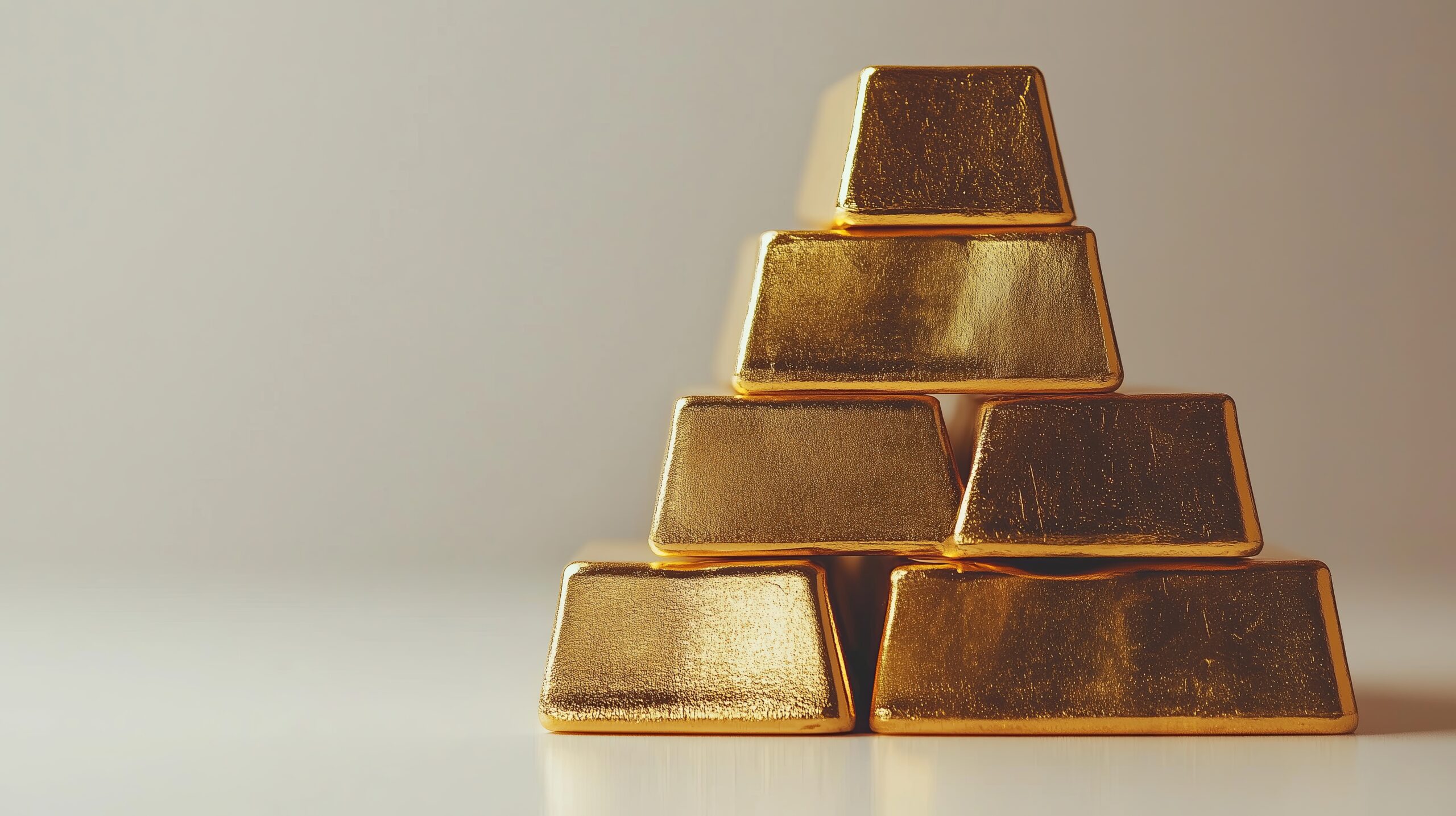
Gold has been a trusted store of value for thousands of years, and demand remains strong today. Central banks, refiners, jewellers, investors, and manufacturers all compete for a reliable supply. For many buyers, the most attractive option is to buy directly from gold mining companies rather than through long chains of brokers and middlemen.
Buying from the source can offer better pricing, clearer traceability, and a long-term supply relationship. It also requires knowledge and careful due diligence. This guide explains how gold mining companies sell gold, what forms of gold are available, how prices are set, what documents to expect, and how to protect yourself as a buyer. It also explains why East Africa, and Uganda in particular, has become an important gold source for international buyers.
Why Buy Gold Directly from a Mining Company?
Gold usually passes through several hands before it reaches the end buyer: miners, local traders, aggregators, exporters, brokers, refiners, and dealers. Each step adds cost and makes it harder to trace where the gold came from. Buying directly from a mining company shortens that chain.
1. Better pricing. With fewer intermediaries taking a commission, a direct buyer can often negotiate a price closer to the international market rate after refining and logistics costs.
2. Traceability. A mining company can show where its gold was extracted. Refiners, jewellers, and institutional buyers increasingly need proof of origin to meet responsible-sourcing standards and anti-money-laundering rules.
3. Consistent supply. A producing mine can supply regular volumes. This suits refiners and manufacturers who need a dependable flow of material rather than one-off purchases.
4. A direct relationship. When you deal with the producer, you can visit the operation, meet the management, inspect the product, and build trust over time. This is far harder when buying through anonymous brokers.
How Gold Mining Companies Sell Gold
Mining companies sell gold in several ways, depending on their size, location, and processing capacity.
Sales to refiners. Most mined gold is not yet pure enough for investment or jewellery use. Mines often sell semi-processed gold to refineries, which purify it to 99.5% or 99.99% and cast it into bars that meet international standards.
Direct export to international buyers. Licensed mining and export companies can sell directly to foreign buyers, such as refiners, bullion dealers, and trading houses, under a signed sales agreement with agreed assay, payment, and delivery terms.
Long-term offtake agreements. Larger buyers sometimes sign offtake contracts. These commit them to buy a certain share of a mine’s production over a set period, often at a price linked to the international market.
Local sales. Some gold is sold within the country to licensed dealers, jewellers, and the central bank, depending on national regulations.
Forms of Gold Available from Mines
Buyers should understand exactly what they are purchasing, because form and purity strongly affect price.
- Gold doré bars. Doré is a semi-pure alloy of gold and silver produced at the mine site by smelting. Its gold content varies widely, and it is normally sent to a refinery for final purification.
- Gold dust and alluvial gold. This is gold recovered from riverbeds and sediments, often by small-scale and artisanal miners. Purity varies, and it must be tested carefully.
- Gold nuggets. These are natural pieces of gold. Collectors sometimes pay a premium for unusual nuggets, but most are valued by their gold content.
- Refined gold bars. These have been purified to a high standard, typically 99.5% or 99.99%, and stamped with the refiner’s mark, weight, purity, and serial number.
Purity is often described in carats or as a percentage. Pure gold is 24 carats. A bar described as 22 carats contains about 91.6% gold, and the rest is other metals, usually silver and copper.
How Gold Is Priced
International gold prices are based on the market price for pure gold, commonly the LBMA (London Bullion Market Association) benchmark price. When buying unrefined or semi-refined gold from a mine, the final price is usually calculated as follows:
- The gold content is measured through an independent assay, which shows the exact purity.
- The pure gold weight is calculated by multiplying the total weight by the purity.
- The market price is applied to that pure gold weight on an agreed date.
- An agreed discount is deducted to cover refining, transport, insurance, and the seller’s and buyer’s risks.
The discount depends on the form of gold, the volume, the payment terms, and the delivery point. Larger, regular, well-documented shipments usually achieve better terms.
A word of caution: gold offered far below the market price is a major warning sign. Legitimate sellers know the value of their product and have no reason to sell it cheaply. Offers of steep discounts are one of the most common features of gold fraud.
Documents Every Buyer Should Expect
A legitimate gold export is supported by a full set of documents. Before committing money, buyers should request and verify:
- Company registration certificate from the national business registry
- Mining licence showing the company’s right to extract minerals at a specific location
- Mineral dealer’s or export licence permitting the company to trade and export gold
- Certificate of origin confirming where the gold was mined
- Independent assay report from a recognised laboratory, stating weight and purity
- Export permit and customs declarations for each shipment
- Tax and royalty payment receipts, showing the gold was declared to the government
- Sales and purchase agreement (SPA) that sets out price, quantity, assay, payment, and delivery terms
- Airway bill and insurance documents for the shipment
Buyers should check these documents directly with the issuing authorities wherever possible, rather than relying on copies alone.
Safe Payment Methods
Payment terms are where many gold deals succeed or fail. Safe structures protect both buyer and seller:
- Payment after assay at the destination refinery. The gold is shipped to a reputable refinery, assayed, and paid for on the confirmed result.
- Escrow arrangements. A trusted third party holds the funds until agreed conditions are met.
- Letters of credit. A bank guarantees payment once the seller presents the correct shipping and assay documents.
- Staged purchases. A new relationship starts with small trial shipments, and volumes grow as trust develops.
Buyers should be very careful about any request to pay large upfront “fees”, such as for taxes, permits, clearance, or storage, before seeing the gold and documents verified. This is a well-known pattern in gold scams.
Logistics and Delivery
Gold is high in value and small in size, so it requires secure handling. Exports normally move by air through specialist secure-logistics companies with full insurance cover. Buyers should agree in advance:
- the delivery point (for example, the seller’s airport or the destination refinery)
- who pays for freight and insurance
- when ownership and risk pass from seller to buyer
These terms are usually written using standard international trade terms (Incoterms) in the sales agreement.
Uganda: An Emerging Gold Hub in East Africa
Uganda has become one of the most important gold centres in East Africa. Gold is now the country’s largest export, ahead of traditional products such as coffee. Uganda has also grown as a regional processing and trading centre, with refineries and export companies serving international buyers.
The country has several gold-bearing regions, including the Busia area in the east, Mubende in central Uganda, and Buhweju in the southwest, along with artisanal and alluvial workings in other districts. Uganda has also opened its first large-scale gold mine, signalling growing investment in the sector.
Uganda’s mining sector is governed by the Mining and Minerals Act, 2022, and overseen by the Ministry of Energy and Mineral Development and the Directorate of Geological Survey and Mines. Mining companies and mineral dealers must be licensed. Buyers can therefore confirm a company’s legal standing before trading.
Because the region also trades gold from neighbouring countries, serious buyers in Uganda focus closely on proof of origin. Companies that can demonstrate where their gold was mined, through licensed mining sites and clear documentation, stand out as preferred partners.
How to Choose a Reliable Gold Mining Company
Before signing any deal, use this checklist:
- Verify the company’s registration and licences with the relevant government bodies.
- Visit the office and, if possible, the mine site, or send a trusted representative.
- Insist on independent assay by a recognised laboratory, and allow your own assayer if needed.
- Ask for references from previous buyers and contact them.
- Use secure payment structures such as escrow, letters of credit, or payment after refinery assay.
- Start small with a trial shipment before committing to large volumes.
- Be wary of pressure, unrealistic discounts, and requests for upfront fees.
- Get legal advice on the sales agreement and on import rules in your own country.
A genuine mining company will welcome these checks. Transparency is in its interest, because it builds the long-term relationships that keep the business running.
Buy Gold from Pearl Minerals International
Pearl Minerals International is a Ugandan mining and mineral trading company headquartered in Kampala, Uganda. We operate our own mining operation and supply gold and silver to international buyers.
When you work with us, you deal directly with the producer. We offer:
- Gold and silver in [forms available, e.g., doré bars, gold dust, nuggets], with purity verified by independent assay
- Full export documentation, including licences, certificate of origin, assay reports, and export permits
- Transparent pricing linked to the international gold market
- Secure, insured delivery to your chosen destination
- An open-door policy: buyers are welcome to visit our Kampala office and verify our credentials
Whether you are a refiner, bullion dealer, jeweller, or investor, we are ready to discuss your requirements and build a long-term supply partnership.
Pearl Minerals International
Kingdom Kampala, Kampala, Uganda
Phone / WhatsApp: (+243) 988 518 124
Email: info@pearlmineralsinternational.com
Send us your enquiry today with your required product, quantity, and destination, and our team will prepare a quotation.